
Another Face of Blackletter vol.3
何故かポップカルチャーで見かけるブラックレターは、ワルそうでカッコいい。まるで、いまにも揉め事に巻き込まれてしまいそうな不良たちの潔さに似た、クールで物騒な印象を感じ取ってしまう。これはいつ始まったことなんだろう?グーテンベルク聖書やキリスト教会でみる時の厳かな印象とはかけ離れたこのギャップを埋めるべく、HIPHOP、ROCK ,悪魔崇拝からナチスまで、ブラックレターの100年を振り返る。
BlackletterとHeavy MetalBlackletter and Heavy Metal
HIPHOP以前の音楽業界は商業的な大成功を手にしたロックミュージックが席巻していた。音楽を若者の日常に持ち込んで、アリーナを会場にするレベルまで拡大させた。このロックの中でもアルバムのアートワークやマーチャンダイズのデザインにブラックレターの頻出度が高いジャンルがある。そう、それはヘビーメタル。いまでは、昔の流行りになってしまった重く歪んだギターと過激な歌詞が特徴の音楽は、パフォーマンスの過激さも含めて、有名なバンド以外は濃い客層に支えられて深化を遂げ、ある種型式化したロック内のサブジャンルとなっている。音楽的にはBeatles の『Helter Skelter』(1968)の激しいリフの上でシャウトするスタイルが先駆的なものと考えられていて、Led zeppelin , DeepPurple , Black Sabbath が初期のジャンルを切り開いたとされている。
Before HIPHOP, the music industry was dominated by rock music, which was a huge commercial success. It brought music into the daily lives of young people and expanded it to the level of arena venues. Within this rock music, there is one genre that has a high frequency of black lettering in album artwork and merchandising designs. Yes, that is heavy metal. Nowadays, this music, characterized by heavily distorted guitars and extreme lyrics, which has become a fad of the past, has become a sort of stylized subgenre within rock, including the extreme nature of its performances, and has deepened with the support of a strong audience, except for the most famous bands. Musically, the shout-along style over the furious riffs of the Beatles’ “Helter Skelter” (1968) is considered pioneering, and Led zeppelin , Deep Purple, and Black Sabbath are credited with pioneering the genre in its early years.
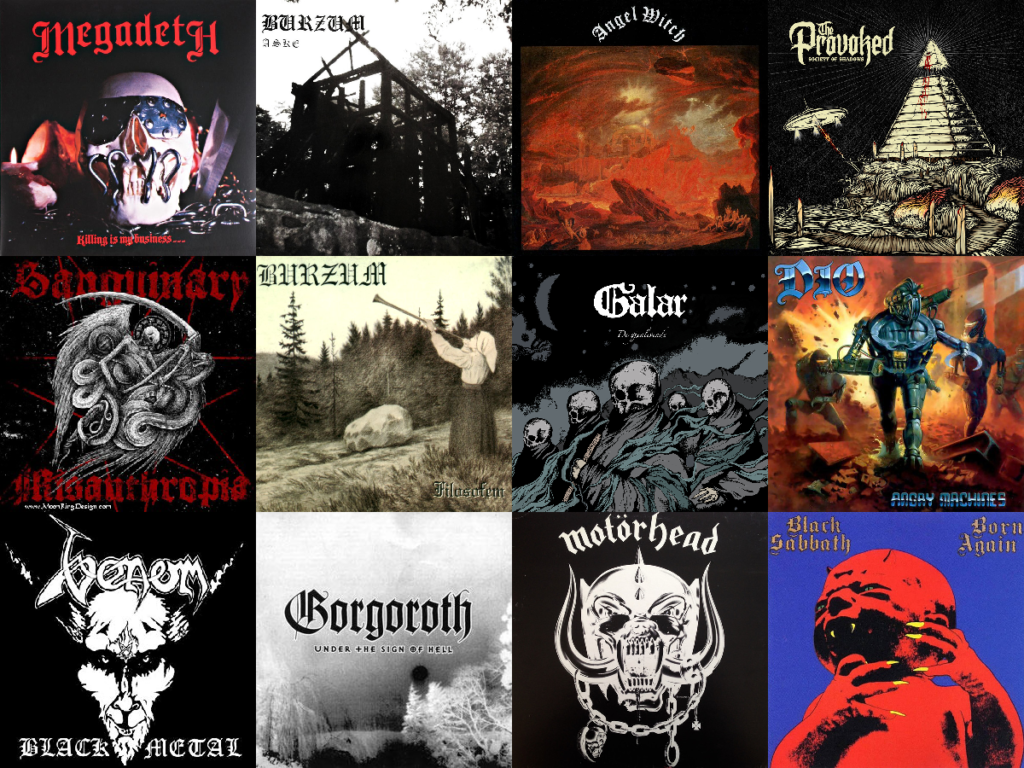
その中でもBlack Sabbathこそがヘビーメタルのパイオニアであり、悪魔をロックに招き入れ、ブラックレターを悪魔と結びつけ定番化させたバンドである。Black Sabbathはイングランド出身のバンドで1968年に結成され、79年まではファウンダーであるオジー・オズボーンが在籍していた。そう、あのライブでコウモリを食いちぎったという伝説の人物。結成当初はEarthというバンド名だったが、ベーシストのギーザーバトラーが、1963年公開のイタリアンホラー映画『ブラックサバス』からとってバンド名を改名したという。当時はまだ珍しいホラー映画に人が並ぶのをみて、人々が怖がるためにお金を払うことが驚きだったと語り、以来彼らは、オカルトテーマや、ホラーにインスパイアされたリリックや音楽世界を追求し、悪魔的な演出でバンド活動を行った。
Black Sabbath was one of the pioneers of heavy metal, the band that invited the devil into rock and made blackletter a staple by associating it with the devil. black Sabbath is a band from England, formed in 1968, and until 1979, founder Ozzy Osbourne was a member of the band. Yes, the legendary figure who bit off a bat in that live performance. When the band was first formed, it was called Earth, but bassist Geezer Butler renamed the band after the 1963 Italian horror film “Black Sabbath. He said he was amazed to see people lining up for the horror movie, which was still rare at the time, and that people would pay to be scared, and since then they have pursued occult themes and a horror-inspired lyric and musical world, with a demonic production that has kept the band going.
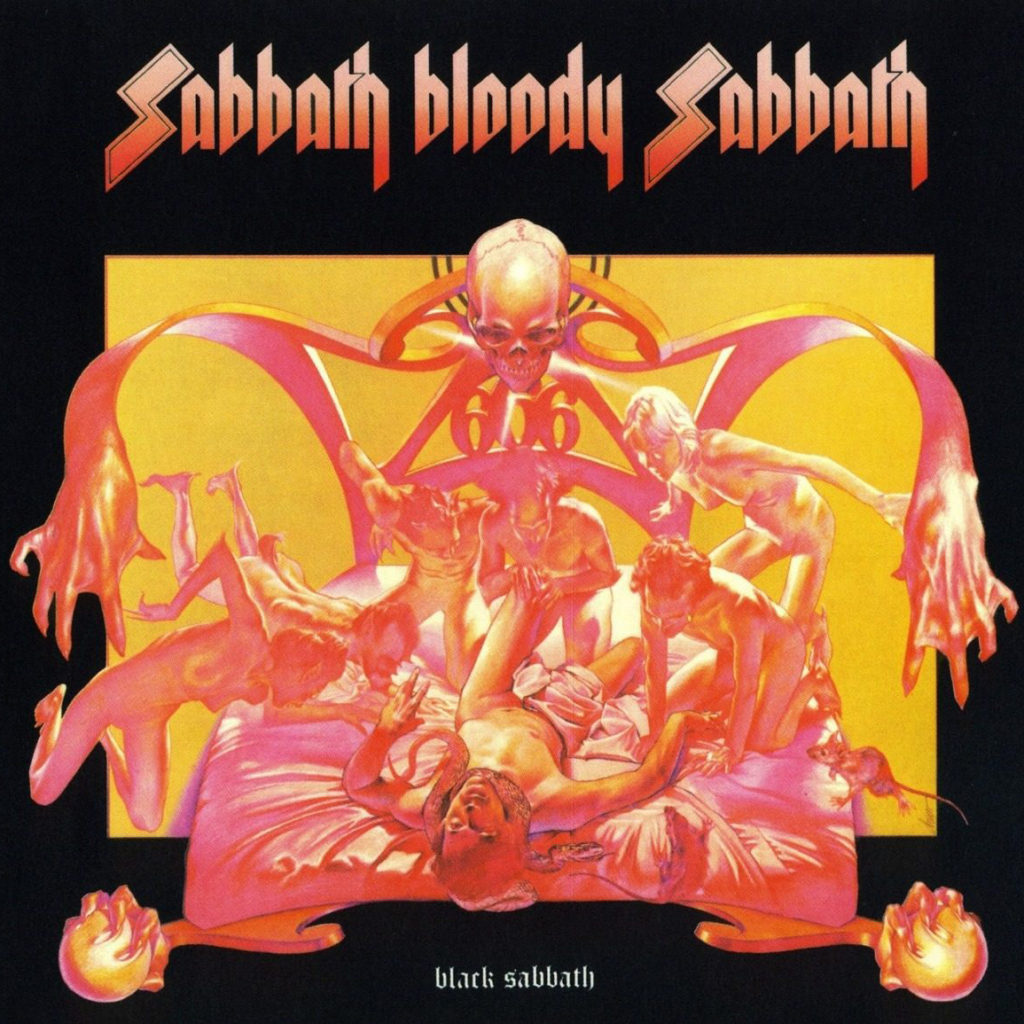
1973年発売の5thアルバムのカバーアートはErnie Cefaluのクリエイティブディレクションのもとスターウォーズなどのポスターを手がけたDrewStruzanのイラストによるもので、悪魔の迎えがくる死の床を描がかれている。悪魔的なものとのイメージづけでブラックレターが使われている。
The cover art for the band’s fifth album, released in 1973, was illustrated by Drew Struzan, who created posters for Star Wars and other projects under the creative direction of Ernie Cefalu, and depicts a deathbed where the devil is coming for him. The black lettering is used to suggest demonic imagery.
悪魔的なエンターテイメントの時代The Age of Satanic Entertainment
60年代のカウンターカルチャーが向けた近代の合理性主義への疑いの目が、サイケデリックドラックとともにオルタナティブな精神性をもとめる方向性の先鞭をつけた。カウンターカルチャーが対抗したのは、キリスト教と近代合理主義に支えられた既存の社会システムであり、ヒッピーがサイケデリクスや音楽で合理性に抗うのと同時に、キリスト教に抗う新たな精神性として、新宗教や東洋思想、ニューエイジ的なものがあった。全てが拡大してきたメディアにのってポップカルチャーとして流通してゆく時代が始まっていた。
The suspicion of modern rationalism directed by the counterculture of the 1960s, together with psychedelic drugs, spearheaded the search for an alternative spirituality. The counterculture opposed the existing social system supported by Christianity and modern rationalism, and at the same time that the hippies were resisting rationality through psychedelics and music, new religions, Eastern philosophy, and the New Age movement were emerging as new spiritualities that resisted Christianity. All of these were beginning to be distributed as pop culture through the expanding media.

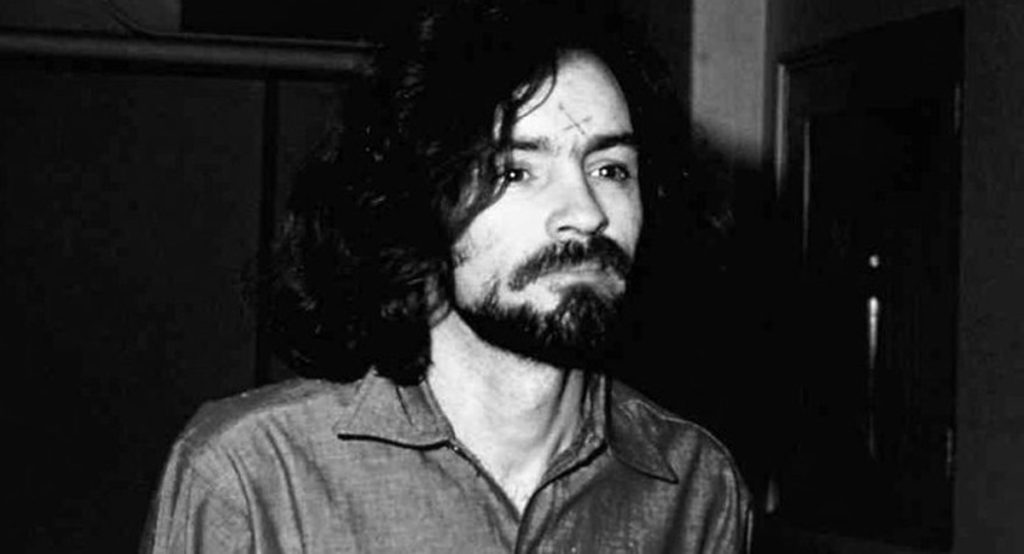
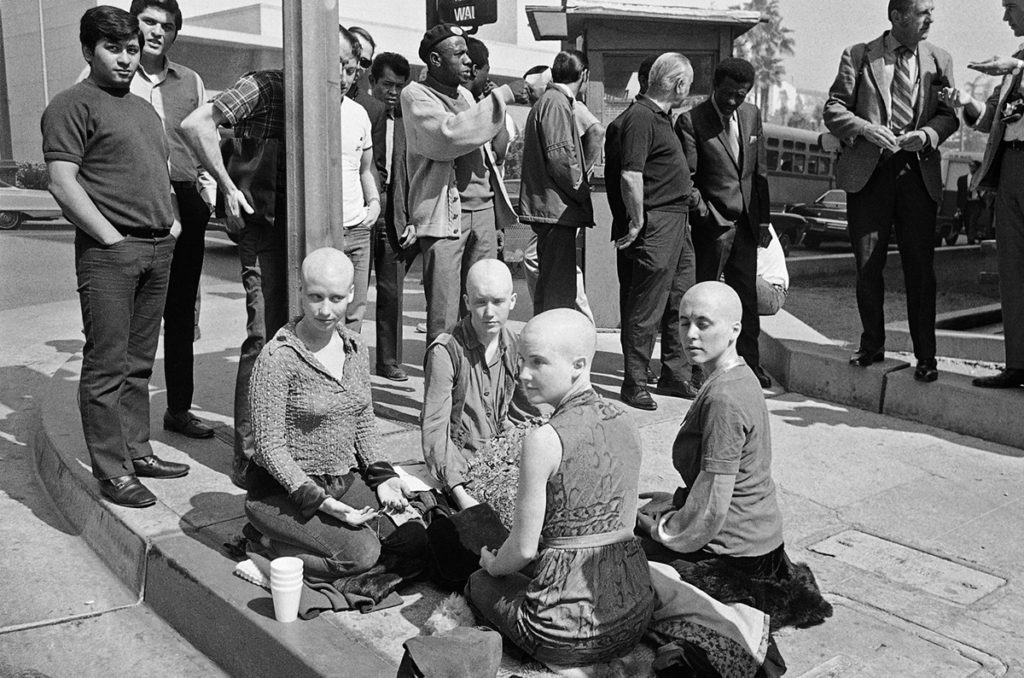
そして、その傍らにサタニズムによる悪魔崇拝もあった。悪魔教会は1966年サンフランシスコに設立され、1969年に『サタンの聖書』を出版して悪魔崇拝のすすめを説くアントンラヴェイ率いる最大のサタニズム組織『The church of Satan (悪魔教会)』がメディアにも度々登場している。 ヒッピーたちのサイケデリクスによる精神世界の探求は、精神を解放するピースなトリップと表裏の関係であるバッドトリップによる精神破壊や、非科学的な思考の拡張、変性意識状態時における洗脳への危うさ、カルトの誕生など負の側面も同時にもたらした。 ヘビーメタルの音楽的なルーツとしてのBeatlesの『Helter Skelter』には曲の内容や演奏とは一切関係ないが凄惨なイメージがつきまとう。1969年8月カルト集団のマンソンファミリーのメンバーが、リーダーであるチャールズ・マンソンがこの曲から啓示を受けて終末思想を抱いた末、ロマン・ポランスキー監督の妻であった女優のシャロン・テートを殺害する事件を起こした。この凄惨な事件は、ヒッピーカルト集団によるハリウッドのセレブリティーの殺害というセンセーショナルな出来事として刻まれ、サイケデリックドラッグに浸りラブアンドピースを望んだ楽観的なヒッピーブームの暗部があらわになることで終焉へ向かわせ、その後ポップカルチャーへ大きく影響を与えた。
And beside that, there was Satanism. The church of Satan, founded in San Francisco in 1966 and led by Anton LaVey, who published “The Bible of Satan” in 1969 and preached the recommendation of Satanism, is the largest Satanist organization that frequently appears in the media. The hippies exploration of the spiritual world through psychedelics also brought negative aspects, such as the destruction of the mind through bad trips, the expansion of unscientific thinking, the danger of brainwashing in a state of altered consciousness, and the birth of cults, which are inextricably linked to peaceful trips that free the spirit. The Beatles’ “Helter Skelter,” as a musical root of heavy metal, is not related to the content of the song or the performance, but is associated with a gruesome image. The Manson Family members, after having been inspired by the song and having apocalyptic thoughts, murdered Sharon Tate, the wife of director Roman Polanski. The horrific incident was marked by the sensational murder of a Hollywood celebrity by a hippie cult and brought to an end the psychedelic drug-soaked, love-and-peace optimistic hippie boom by revealing its dark side, which then greatly influenced pop culture. It had a major impact on pop culture.
また、ブラックサバスのバンド名の由来にもなった映画『ブラックサバス』(1963)が公開された1960年代はイタリアンゴシックホラーの全盛期で、この映画の監督でもあるマリオ・ハーヴァは『Bay of blood』(1971)でスプラッターホラーの元祖としても知られている。その後ハリウッドでホラー映画のブームが到来し、ゾンビ映画の金字塔『Night of the Living Dead』(1968)を皮切りに、ポランスキー監督の『ローズマリーの赤ちゃん』(1968)、『エクソシスト』(1973)の登場でオカルトブームがメインストリームのポップカルチャーを席巻していった。そして、ブラックサバスの読み通り、音楽や映画で悪魔をエンターテイメントとして楽しむ時代となった。
The 1960s, when the film “Black Sabbath” (1963), which gave Black Sabbath their band name, was released, was the golden age of Italian gothic horror, and Mario Harva, the director of this film, is also known as the originator of splatter horror with “Bay of blood” (1971) The film’s director, Mario Harva, is also known as the originator of splatter horror with “Bay of blood” (1971). Then came the boom of horror films in Hollywood, starting with the zombie movie milestone “Night of the Living Dead” (1968), followed by Polanski’s “Rosemary’s Baby” (1968) and “The Exorcist” (1973), and the occult boom dominated mainstream pop culture. And, as Black Sabbath expected , it was an era in which the devil was enjoyed as entertainment through music and film.

悪魔とブラックレターThe Devil and the Blackletter
もともと、ブラックレターは聖書の写本の合理化のために開発された経緯から、中世のキリスト教的なイメージが深く根付いている。オカルト的なものがエンターテイメントと強く結びつき、キリスト教に対抗する隠された秘密が中世や古代にあるという演出や、反キリストの象徴としてのサタニズムがバイブルを引き合いに出すように、悪魔的なイメージの強調の添え字としてブラックレターが好まれて使われることになった。60年代からSF小説のサブジャンルとして魔術や中世をあつかうファンタジー小説が増えてくるが、ブックカバーなどではブラックレターよりも、Uncialアンシャル体や、Versalsバーサルス体などの、もう少し古い時代の書体が使われている場合が多い。パルプフィクションで恐怖を描くホラー作家のH.P Lovecraft の作品 『The Lurking Fear』のブックカバー、1948年Avon Books出版のバージョンは当時のホラー映画のポスターのテイストで、1971年Beagle Books 出版のカバーデザインでは、ブラックレターがタイトルに使われている。
Originally, Blackletter is deeply rooted in medieval Christian imagery due to the way it was developed to rationalize biblical manuscripts. As occultism was strongly associated with entertainment, and the production of hidden secrets in the Middle Ages and antiquity to counter Christianity, and Satanism as a symbol of the Antichrist cited the bible, the black letter was favored as a subscript to emphasize satanic imagery. From the 1960s, fantasy novels dealing with witchcraft and the Middle Ages began to appear more frequently as a subgenre of science fiction novels, and in many cases, older typefaces such as Uncial and Versals were used for book covers rather than blackletter. The book cover of “The Lurking Fear,” a work by H.P Lovecraft, a horror writer who depicts horror in pulp fiction, the 1948 version published by Avon Books has the flavor of a horror movie poster of the time, while the 1971 cover design by Beagle Books The cover design for the 1971 Beagle Books publication uses a black letter as the title.

1922年の映画『Häxan』はホラー・オカルトの映画としては原典となる魔女や魔術を取り上げた作品で公開時のポスターはアールヌーボー風のイラストとモダンセリフの組み合わせなのに対して、近年のDVDのリリースのパッケージはブラックレターを大きく使用したメタルのジャケット風のデザインに仕上がっている。
the 1922 film “Häxan” was the original horror/occult film about witches and witchcraft, and the poster for its release was a combination of Art Nouveau-style illustrations and modern dialogue, the packaging for the recent DVD release is a metal jacket-style design with large black lettering.

ヘビーメタルのデザインの流行以降、中世的な恐怖=ブラックレターとなっていき、その分水嶺が1970年前後にあったのではのではないかと考えられ、オカルトのブームによって、悪魔祓いやサタニズムの儀式が、黒魔術の儀式などとひとくくりにファンタジーの一環として取り上げられることで、ルーツを中世にもつ聖的なものの表裏の存在として際立ちはじめ、中世の文字であるブラックレターが演出としてステレオタイプ的に使われ始めたのだと考えられる。
After the popularity of heavy metal designs, Blackletter represent medieval horror , and the turning point may have been around 1970, when the occult boom brought exorcism and Satanism rituals to the forefront as part of fantasy, lumping them together with black magic rituals. The medieval letter “black letter” began to be used stereotypically as a dramatic device.
60年代のカウンターカルチャーが開けたパンドラの箱から飛び出してきたのは、自由ともに新たな役割を与えられた悪魔たちだった。怖いものが見たい、見えないものが見たいという人々の心をポップカルチャーが、恐怖と悪魔をエンターテイメントに仕上げていった。その中で、クリスチャニティーとともにあったブラックレターは聖なる文字から、悪なる文字として印象をすり替えられてしまった。カウンターカルチャーの放ったカウンターによって。
What popped out of the Pandora’s box opened by the counterculture of the 1960s were demons who were given new roles in both freedom. People wanted to see scary and invisible things, and pop culture turned fear and demons into entertainment. In the process, the black letter, which had been with Christianity, was replaced by the impression of the holy letter as the evil letter. The counter-culture has unleashed its counter.