
The Another Face of Blackletter
Vol.01 L.A
ブラックレターの裏の顔 —Vol.01 LA—
ICE CUBE のD D in ICE CUBE’s cap
個人的な思い出として初めてアルファベットの一つの文字のカタチをクールだなぁと意識したのは、相変わらずのおっかない顔をしたICE CUBEが映画「Boys n the Hood 」(1991)で被っていたベースボールキャップのデトロイトタイガースのロゴのDの文字だったと思う。装飾された文字が彼の役柄の雰囲気と相まってなんだか特別なシンボルのように映ってみえた。その頃はDr.DREやEAZY-EなんかのN.W.Aの面々もブラックレターのベースボールキャップを好んで身につけ、シカゴホワイトソックスのSOXやComptonと刺繍されたベースボールキャップをかぶって睨みをきかせた映像や写真がLAのギャングスタラップシーンを印象づけていた。 今では、より誇張されたブラックレターが使われたアルバムタイトルがこのジャンルのステレオタイプになり、タトゥーだらけのラッパーが金や暴力のことをラップすることがポップカルチャーの成功の条件のようになってしまった。それもこれも、下敷きになっている80年代後半に生まれたLAのギャングスタヒップホップがルーツなので、ここを紐解いてHIPHOPとブラックレターとの関係を少し覗いてみたい。
My personal memory of the first time I became aware of the cool shape of a letter of the alphabet was the letter D in the Detroit Tigers logo on the baseball cap worn by ICE CUBE in the movie “Boyz ‘n the Hood” (1991), who looked as ungry face as ever. The decorated letter seemed to be a special symbol in combination with the atmosphere of his role. At that time, N.W.A. guys like Dr. Dre and Eazy-E liked to wear black letter baseball caps, and the images and photos of them wearing baseball caps embroidered with SOX and Compton of the Chicago White Sox and glaring at the gangsta rap scene in L.A. It made an impression. Now, album titles with more exaggerated blacklettering have become the genre’s stereotype, and rapping about money and violence by rappers covered in tattoos has become a requirement for pop culture success. This, too, has its roots in the LA gangsta hip-hop that emerged in the late 80s that underlay it, so let’s unpack this and take a little peek at the relationship between HIPHOP and black letters.

メキシカンブラックレターとギャングスタイルGang Style and Mexican Blackletter
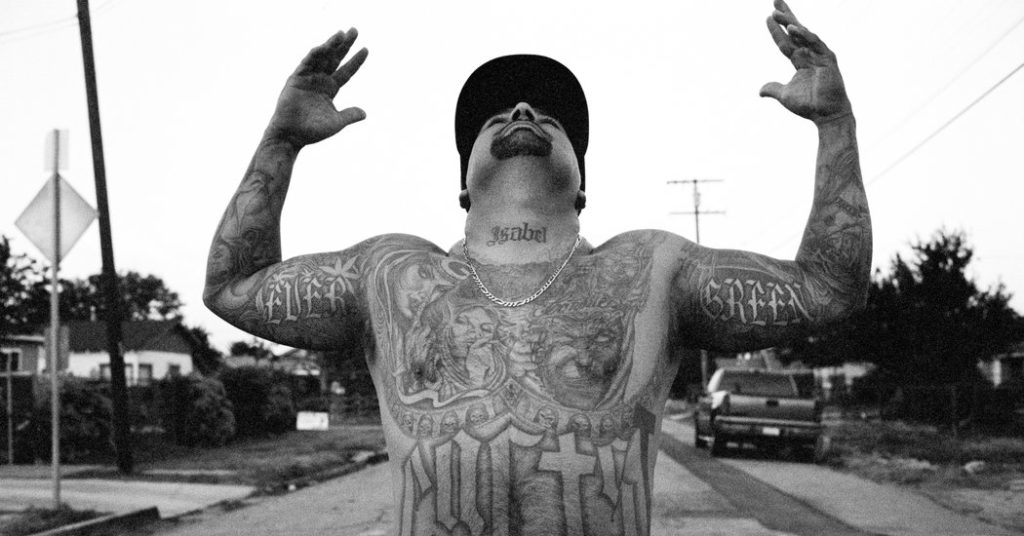
LA独自のローカルカルチャーは、カリフォルニアがもともとメキシコ領だったこともあり、メキシコ系移民が多く、地名や料理などをとってもメキシカンカルチャーの影響を強く受けている。そのメキシコではブラックレターがことのほかポピュラーで町中で見かけることができ、誰もがメキシコをイメージすることのできるコロナビールやテキーラのクエルボのロゴなど国を代表する輸出品にブラックレターが使われていることはご存知の方も多いだろう。理由としては、15世紀から300年の間続いたスペイン植民地支配がメキシコ文化に大きく影響しており、国民の多くがカソリックを信仰し文化の中心をなしていることと関係していて、その起源からキリスト教カソリックとの結びつきが強いブラックレターへ人々は伝統や信心との結びつきを感じている。 チーカーノといわれるメキシカンアメリカンのアート文化として、壁画へポリティカルなメッセージや宗教的なメッセージを施すミュラルアートや、古いアメリカ車を改造してペイントするローライダーアート、タトゥーはもちろんのこと、さらには、PAÑOSと呼ばれる収監されたギャングが、ベットシートやハンカチにペンで描くアートフォームなども存在しており。それらには共通する様式化された装飾や同一のモチーフが用いられ、独自の表現方法が発展していてブラックレターはその中に共通して用いられている。 近年よく目にする全身を覆うタイプのタトゥーはチカーノタトゥーが起源で、1940年代にチカーノのギャングカルチャーから始まり、ギャングメンバーの所属や忠誠心を見せるために施していたものが発展していった。宗教的なモチーフが好まれ、宗教的なシンボルとともに添えられる言葉をブラックレターで施すデザインも多くある。宗教的なモチーフといえども、メキシコ独自の宗教的な文化、死者の日(day of the dead )に代表されるように、装飾したドクロを聖具として扱ったり、Santa Muerteのようなフォーク・カソリシズムの死神信仰があるなど、ドクロを神聖なシンボルとして扱うことが慣習としてあり、死への意識から生を感じる刹那の美学のようなものを根底に感じることができる。刹那的に生きるギャングたちにそれらのシンボルが好まれていることは自然のことのように思える。そしてこれらのチカーノカルチャーは、路上や刑務所をともにする様々な人種たちの間で影響を与えLAのローカルギャングカルチャーとして根付いていった。
LA’s unique local culture is strongly influenced by Mexican culture in terms of place names and cuisine. In Mexico, black letters are extremely popular and can be seen all over town, and many people are probably aware that black letters are used on the country’s representative exports, such as Corona beer and the Cuervo tequila logo, which everyone can imagine as Mexico. The reason for this is related to the fact that the divish colonial rule that lasted for 300 years from the 15th century greatly influenced Mexican culture, and that many of the Mexican people are catholics and form the core of the Mexican culture. They feel a connection to tradition and religious beliefs. The Mexican-American, known as “checano,” art culture includes mural art, in which political and religious messages are painted on murals, low-rider art, in which old American cars are converted and painted, tattoos, and even an art form called PAÑOS, in which jailed gang members paint on bedsheets and handkerchiefs with a pen. There are also art forms that gangsters draw with pens on bed sheets and handkerchiefs. They all share the same stylized decorations and identical motifs, and have developed their own unique ways of expression, in which black lettering is commonly used. The full-body tattoos that we see so often in recent years originated from Chicano tattoos, which began in the 1940s in Chicano gang culture and evolved from those applied to gang members to show their affiliation and loyalty. Religious motifs were favored, and many designs featured black lettering with words that accompanied the religious symbols. Even religious motifs are often used as sacred symbols in Mexico’s unique religious culture, such as the Day of the Dead, where decorated skulls are treated as sacred objects, or in the folk-catholic belief in the God of Death, as in Santa Muerte, where skulls are treated as sacred symbols. It is customary to treat skulls as sacred symbols, and one can sense a kind of ephemeral aesthetics underlying the sense of life from the consciousness of death. It seems natural that these symbols are favored by gangsters who live ephemerally. These Chicano culture influences among the various ethnic groups that share the streets and prisons have taken root as the local gang culture of LA.
ゲトーからメインストリームへFrom the ghetto to the mainstream
そもそも、ギャングスタラップというジャンルはとてもアンビバレンスな存在で、人殺しを厭わないストリートギャング達のような街の片隅で生きる本来は眉をひそめられる存在が、なぜにクールなエンターテイメントとして、そして愛されるポップスターとして扱われ始めたのか。ここには大きくメディアの力がある。 80年代LAはハリウッドの超大作やマイケルジャクソンなどのポップソングが世界をマーケットにビジネスを行い、ポップカルチャーの中心地としてあった。しかし、ポップが描き出す夢の世界とは裏腹に、LAの黒人やラティーノの貧しい地域ではクラック・コカインが流行して、薬物売買や殺人などの犯罪が増加し、仕事にあぶれた若者達が徒党を組みストリートギャング同士の抗争が社会問題となっていた。貧困地域で起きていることはメインカルチャーから乖離していて、広告で作られたようなメディアの理想の世界とは裏腹に、マイノリティーであるが故の人種問題、ドラッグや失業、貧困の連鎖など負の部分のしわ寄せが若者たちを直撃していた。ギャングスタラップは、そんな彼らの心情を忌憚なく吐き出し人気を博していた。
Gangsta rap is a very ambivalent genre, and one that is normally frowned upon by street gangs who are willing to kill people and live on the fringes of the city, but why has it begun to be treated as cool entertainment and beloved pop stars? This is largely due to the power of the media. In the 1980s, L.A. was the center of pop culture, with Hollywood blockbusters and pop songs by Michael Jackson and others doing business in the global marketplace. However, contrary to the dream world depicted by pop music, crack cocaine was prevalent in poor black and Latino neighborhoods in LA, and crimes such as drug trafficking and murder were on the rise. What was happening in the poor neighborhoods was out of step with the main culture, and contrary to the media’s ideal world that seemed to be created by advertisements, racial problems, drugs, unemployment, poverty, and other negative aspects of being a minority were hitting the young people directly. Gangsta rap was gaining popularity by honestly exposing their feelings and emotions.
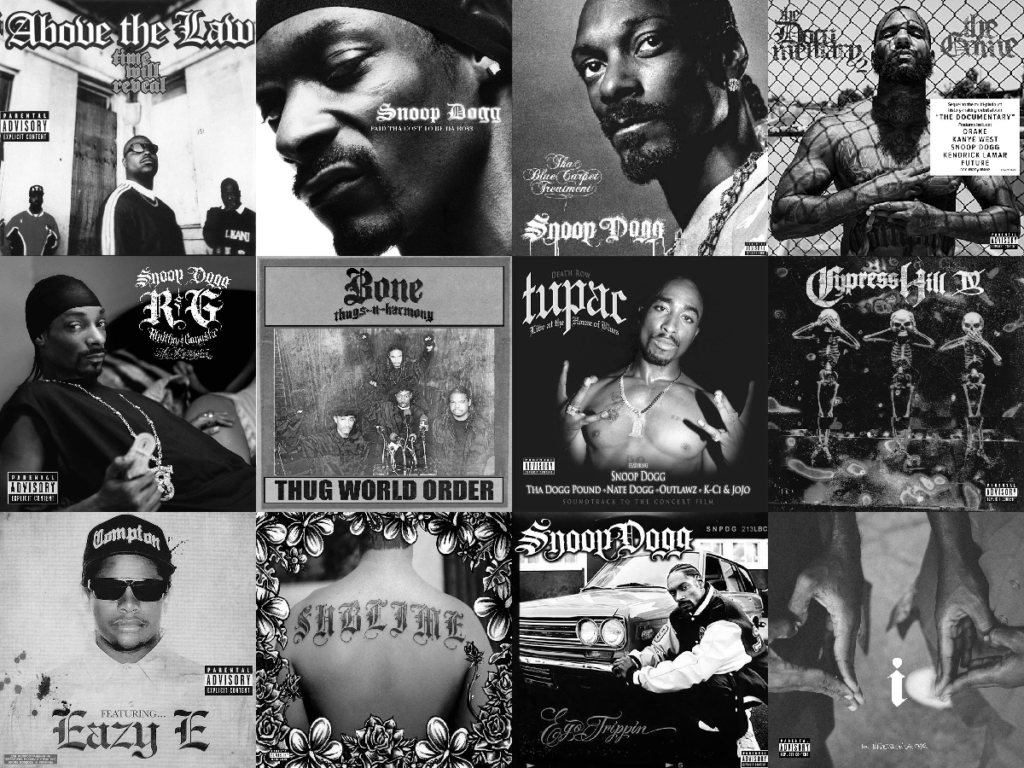
そして事件が起こる。白人警察官が黒人を暴行する衝撃的な映像が世界へ流れ、警官側が無罪となったロドニーキング裁判の結果を受けてサウスセントラルを中心にロス暴動が起こる。その様子は世界中にTVで流され、世界中の関心がLAへと向く中、黒人コミュニティーで起きている現実をラップする彼らの存在は無視できないものとなっていった。ギャングスタイルに身を包み、権力の横暴に対して、言葉で戦い、転倒してしまった正義のあり方を糾弾する姿勢は弱者の代弁者として、アンチヒーローとして世界に受け入れられることになった。 今や誰もが知るセレブリティーDr.Dreや Ice Cube を生み出したN.W.Aが突破口を開き、Snoop Doggや2pacというHipHopを代表するスーパースターが80年の後半から立て続けに生まれ、ウェストコーストのヒップホップシーンは90年代のポップカルチャーを席巻した。Dr.Dre のChronicがリリースされると、Gファンクと呼ばれるレイドバックしたウェストコーストのラップスタイルはポップカルチャーのメインストリームとなり、LAのゲトーの片隅の言葉が全世界へ影響を与えることとなっていった。 ギャングスタライフをラップすることは一流のエンターテイメントとなり、ミュージックビデオでは、ブラックレターのタトゥーやギャングスタファッションがMTVを席巻し、ミリオンセラーのCDにはブラックレターでタイトルやアーティストのロゴが施され、アンダーグラウンドからメインストリームのポップスターへとフィールドを変えたギャングスタのスタイルは今ではポップスターに欠かせない条件ともなってしまっている。そしてその傍らに常にブラックレターが添えられることとなった。
Then an incident occurs. Shocking footage of a white police officer assaulting a black man was broadcast around the world, and the results of the Rodney King trial, in which the officer was acquitted, triggered the L.A. riots centered on South Central. As the world’s attention turned to L.A., their presence rapping about the reality of what was happening in the black community became impossible to ignore. Dressed in gangster style, they fought with words against the brutality of power and denounced the inversion of justice, and were accepted worldwide as anti-heroes who spoke for the underdog. N.W.A., which produced the now well-known celebrities Dr. Dre and Ice Cube, made a breakthrough, and HipHop superstars such as Snoop Dogg and 2pac were born in rapid succession from the second half of 1980’s, and the West Coast HipHop scene dominated pop culture in the 1990s. With the release of Dr. Dre’s Chronic, the laid-back West Coast rap style known as G-funk became mainstream pop culture, and the words of a corner of L.A.’s ghetto began to influence the entire world. Rapping about the gangsta lifestyle has become first-class entertainment, with black letter tattoos and gangsta fashions dominating MTV in music videos, million-selling CDs with black letter titles and artists’ logos, and the gangsta style that transformed the field from underground to mainstream pop star has now become an essential prerequisite for pop stars. The gangsta style that changed the field from underground to mainstream pop stars has now become an indispensable condition for pop stars. A black letter was always added alongside it.