
The Another Face of Blackletter
Vol.02 NYC
ブラックレターの裏の顔 —Vol.02 NYC—
Grandmaster Flashと謎のタイプフェイスGrandmaster Flash and the Mysterious Typeface
HIPHOPの黎明期を捉えた83年の映画「WildStyle」のGrandmaster Flashの登場場面は、いつ見てもしびれるくらいかっこいい。素肌にトラックスーツ、白のカンゴールハットのオールドスクールファッションに身を包み、ターンテーブルから手を離し、背を向けてクロスフェーダーを左右に動かし、また振り返ってスクラッチを始める。ほんの数分の彼の映像は、生まれたてのヒップホップがいかに奇妙でクールだったのかを端的に伝える最高にシンボリックな映像だ。そして、その映像とともに見るものの目に焼きついたタイプフェイスがある。振り返った彼の背中には2つの赤い稲妻を中心にアーチ状にレイアウトされたGRANDMASTER FLASHのロゴが燦然と輝く。そこにはなんとも味わい深いブラックレターのタイプがプリントされている。その後もメディアに何度となく登場する、産声をあげたばかりのアートフォームのシンボルとなったこの文字はミステリアスな名もないタイプフェイスだった。 この文字の背景には何があったのだろう?今やファッションや音楽、エンターテイメントのメインストリームにあるHIPHOPがいかに都会の片隅から産声をあげたのか、この文字の背景とともに誕生の歴史を辿ってみたい。
The scene in which Grandmaster Flash appears in the 1983 film “WildStyle,” which captures the early days of HipHop, is always so cool. Dressed in the old-school fashion of bare skin, tracksuit, and white Kangol hat, he takes his hands off the turntables, turns away, moves the crossfader from side to side, turns around again, and starts scratching. In just a few minutes, his video is the most symbolic image of how weird and cool newborn hip-hop could be. And along with the video, there is a typeface that is burned into the viewer’s eye. The GRANDMASTER FLASH logo, arching around two red lightning bolts, shines brilliantly on his back as he turns around. There is a very tasteful black letter type printed on it. This letter, which became the symbol of the newly born art form that has appeared in the media many times since then, was a mysterious unnamed type face. What was behind these letters?I would like to trace the history of the birth of HIPHOP, which is now in the mainstream of fashion, music, and entertainment, and how it was born from a corner of the city, along with the background of this letter.
HIPHOP誕生前夜On the Eve of the Birth of HIPHOP
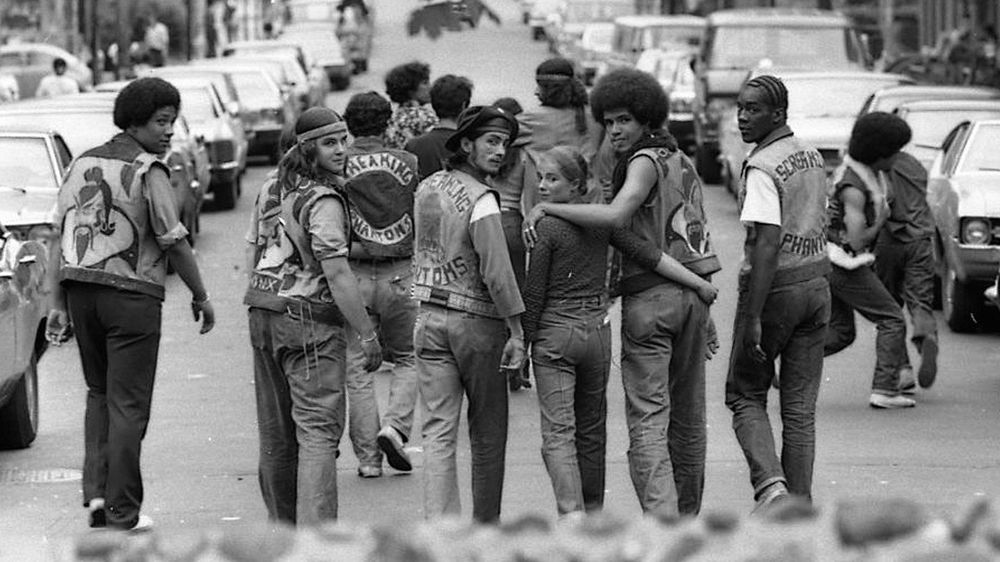
70年代のブロンクスは都市の荒廃がひどく進んでいた。有色人種との共生を望まないオーナーだった裕福な白人たちが郊外へと住居をうつし、ビルは老朽化が進み、保険金目当てで放火されて朽ちはてたビルが、街のそこかしこにあり、まるで爆撃後の荒れ果てた街のような状況だった。そこへ安い家賃に惹かれて移り住んだ貧しい有色人種たちの生活が重なり、ドラッグが蔓延し、強盗や殺人が横行していた。そんな空洞化した街ブロンクスの状況がストリートギャングを産んだ。「イージーライダー」やHells Angelsなどに影響を受けたバイカーズのファッションを参考に、ペイントや刺繍で グループの名前をあしらったデニムジャケットで身を包み、貧困に苦しみ職のない若者たちが徒党を組んで抗争を繰り広げていた。
In the 1970s, the Bronx was in a state of severe urban decay. Wealthy whites, whose owners did not want to coexist with people of color, moved to the suburbs, buildings were deteriorating, and there were buildings everywhere that had been torched for insurance money. The city looked like a run-down, post-bombed-out city. Drugs were rampant, and robberies and murders were rampant. This hollowed-out situation in the Bronx gave birth to street gangs. The street gangs were formed by young people who were poor and jobless, dressed in denim jackets with the group’s name painted or embroidered on them, and fighting in rival gangs, inspired by the biker fashion of “Easy Rider” and “Hells Angels”.
ストリートギャングからHIPHOPクルーへFrom Street Gangs to HIPHOP Crews
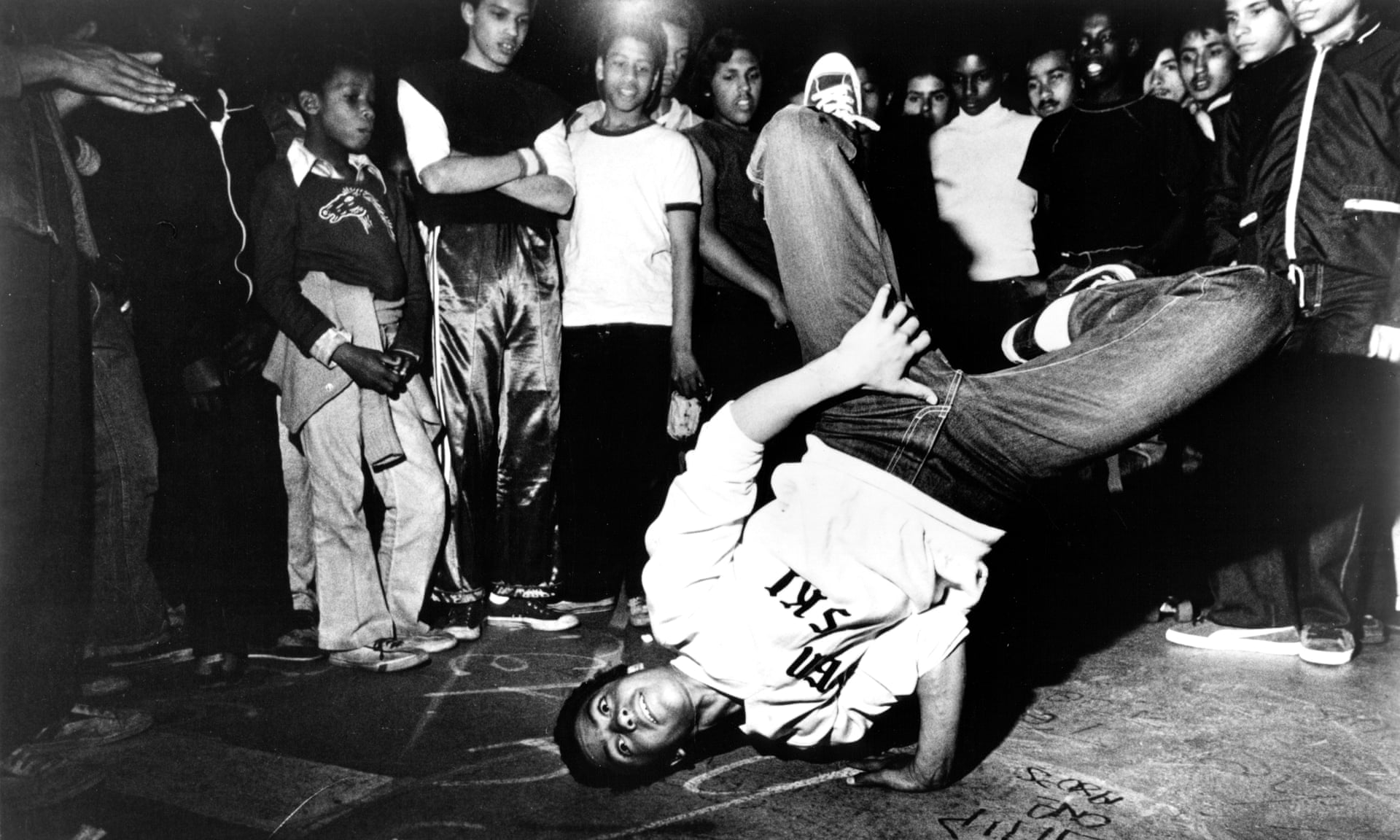
ストリートギャング達が抗争を繰り広げるなか、HIPHOPは生まれた。 クール・ハークが2つのターンテーブルでファンクのドラムブレイクをつなぐブレイクビーツを発見し、音楽の新しい可能性を開いた。音楽が途切れることなく夜通しつづくDJとMC、ブレイクダンスに酔いしれるゲトーのパーティーは評判を呼び徐々に拡大していった。 街では、ギャング同士の争いが激化する中で、仲裁に入った中立的な立場の一人の少年の死をきっかけに、抗争の調停を呼びかけ数十のストリートギャングが一同に会し平和を誓った。そこには、ネイションオブイスラムやブラックパンサーなどの社会運動から影響をうけ、殺し合いではなく、コミュニティーの団結を啓蒙したアフリカンバンバータの姿があった。そして彼は、無軌道なギャングから、平和な思想的背景をもったズールーネーションというDJやMC、ブレークダンサーたちの表現集団を組織していった。それがカルチャームーブメントを意識したHIPHOPの誕生につながってゆく。 ギャング同士の争いが終結し、若者達のエネルギーが建設的なものへと向かい始めた。フレッシュな独創性を競い合う表現の競争が町中に溢れた。荒廃した街から、自分たちの音楽、自分たちの踊り、自分たちのアートを手にした表現者達は都会の片隅から世界を変えはじめていた。
As the street gangs battled it out, HIPHOP was born. Cool Herc’s discovery of breakbeats, a funk drum break connected by two turntables, opened up new possibilities for the music. The party at ghetto, where the music never stops and the DJs, MCs, and breakdancers keep the party going all night long, gradually expanded in popularity. In the city, as gang wars intensified, the death of a young boy who intervened as a middleman triggered dozens of street gangs to come together to seek reconciliation and pledge peace. There was African Bambaata, who was influenced by social movements such as the Nation of Islam and the Black Panthers, and who enlightened the community to unite rather than kill each other. He then went on to organize the Zulu Nation, an expressive group of DJs, MCs, and break dancers with a peaceful ideological background, out of an unprincipled gang. This led to the birth of HIPHOP with the culture movement in mind. Gang warfare ended, and the energy of the youth began to turn toward something creative. The town was flooded with a competition of fresh originality and expression. From the devastated city, the expressive people, with their own music, their own dance, and their own art, began to change the world from a corner of the city.
ストリートファッションとあのタイプフェイスStreet fashion and that type face
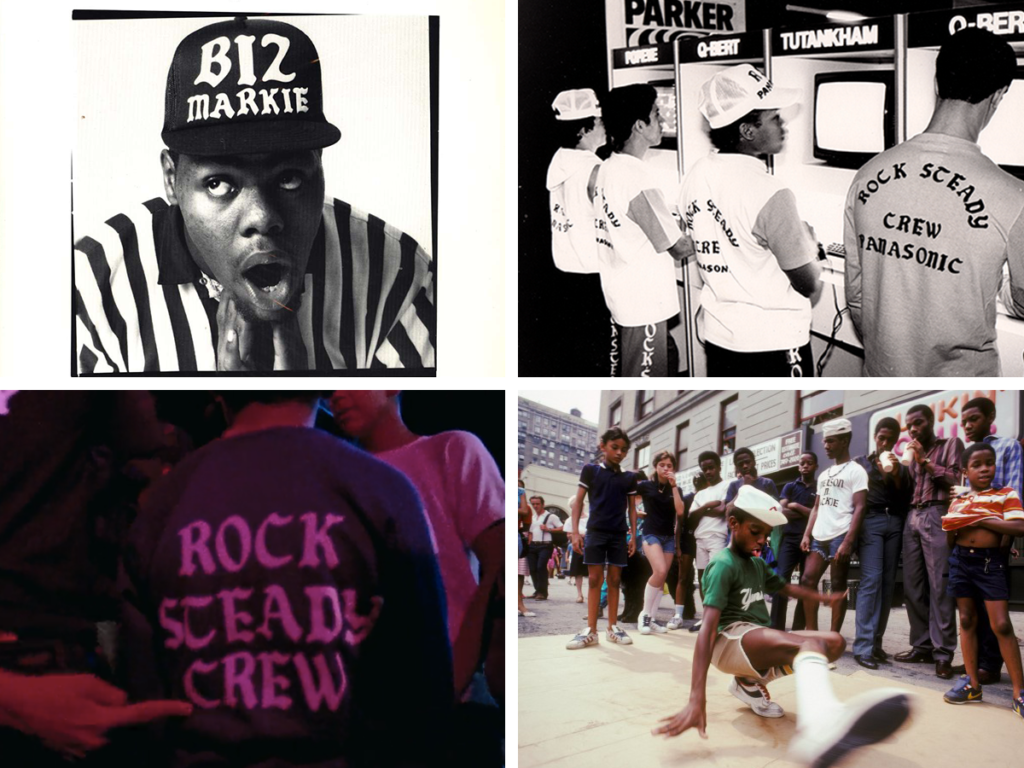
そんな若者達が独創性を求める表現へと熱中し、ストリートのファッションは、70sのストリートギャングからフレッシュさを競うB-boyファッションへと変わった。ギャング名をあしらったデニムジャケットから、動きやすいトラックスーツやスウェットへ自身のクルーの名前をプリントしてお揃いのファッションに身を包んだ。それがあのタイプフェイスにつながってゆく。 NYの貧しいエリアの街角のスポーツショップでスポーツウェアを簡単にパーソナライズするためのサービスとして、アイロンで熱転写できるフロッキーのアルファベットが提供されていた。そのほとんどが小さな個人商店で、当時の状況から考えても、この地域で限定的に売り切りで作れたものだろう。それが、B-boy達がお揃いのトラックスーツやTシャツにクルーの名前を入れることで人気になった。そして、ヒップホップの爆発的な拡大とともに図らずしもオールドスクールHIPHOPを代表するタイプフェイスとなった。
As these young people became enthusiastic about expressing their originality, street fashion changed from the street gangs of the 70s to B-boy fashions that competed for freshness. From denim jackets emblazoned with gang names to tracksuits and sweatshirts printed with the names of their own crews for ease of movement, they dressed in matching fashions. This led to the typeface. In the poor neighborhoods of New York City, sports stores on street corners offered iron-on heat-transferable flocking alphabets as a service to easily personalize sportswear. Most of these were small private stores, and given the conditions of the time, they could probably be made on a limited sell-by-purchase basis in the area. This became popular as b-boys would put the names of their crews on matching tracksuits and T-shirts. And with the explosive expansion of hip-hop, it became a typeface representing old-school hip-hop.
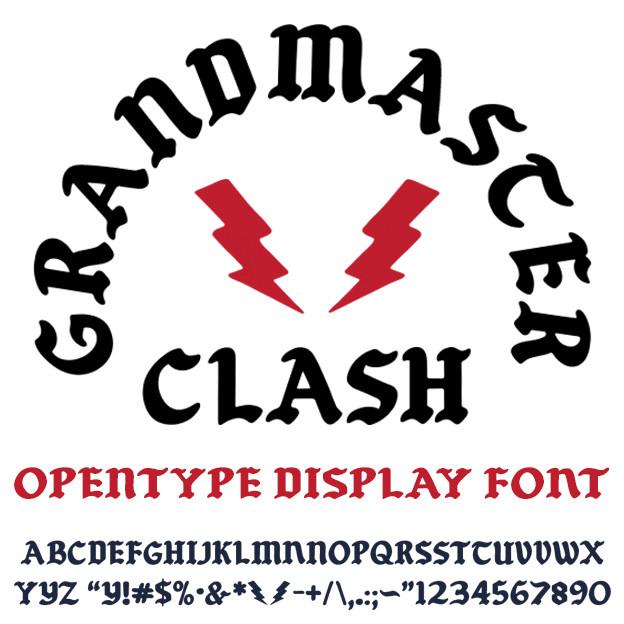
このストリートで最も有名なタイプフェイスの出自をもとめていまも調査をつづけるプロジェクトチーム Rory McCartney and Charlie Morganmの Heated Word Projectsそして、このタイプフェイスをデジタルフォントとして復刻した”GRAND MASTER CLASH”
A project team is still researching the origin of the street’s most famous typeface. Heated Word Projectsby Rory McCartney and Charlie Morganm And this typeface was reprinted as a digital font.GRAND MASTER CLASH is now on sale.
HIPHOPは世界の誰も注目することのなかった見捨てられたゲトーの貧困の中から沸き起こった。暴力の憎しみあいから、表現することへの喜びへと軌道修正した、純粋に楽しむための若者たちのエネルギーが、あの独創的なアートフォームの数々を生み出した。見捨てられたゲトーに転がっていた、アイロンプリントのフロッキーのタイプたちは、名もない彼らを世界に注目させた。銃を捨てて表現を選んだ貧しい若者たちの、独創性の競い合いがこのタイプフェイスに、強くも優しいノスタルジーを感じさせてくれる。
HIPHOP rose out of the poverty of an abandoned ghetto that no one in the world was paying attention to. The energy of young people who changed course from the hatred of violence to the joy of expression, purely for the fun of it, gave birth to that creative array of art forms. The iron-printed flocky types lying around in abandoned ghettos brought them, nameless as they were, to the attention of the world. The competition for originality among these impoverished youths who chose to express themselves by throwing away their guns gives this typeface a strong but gentle sense of nostalgia.